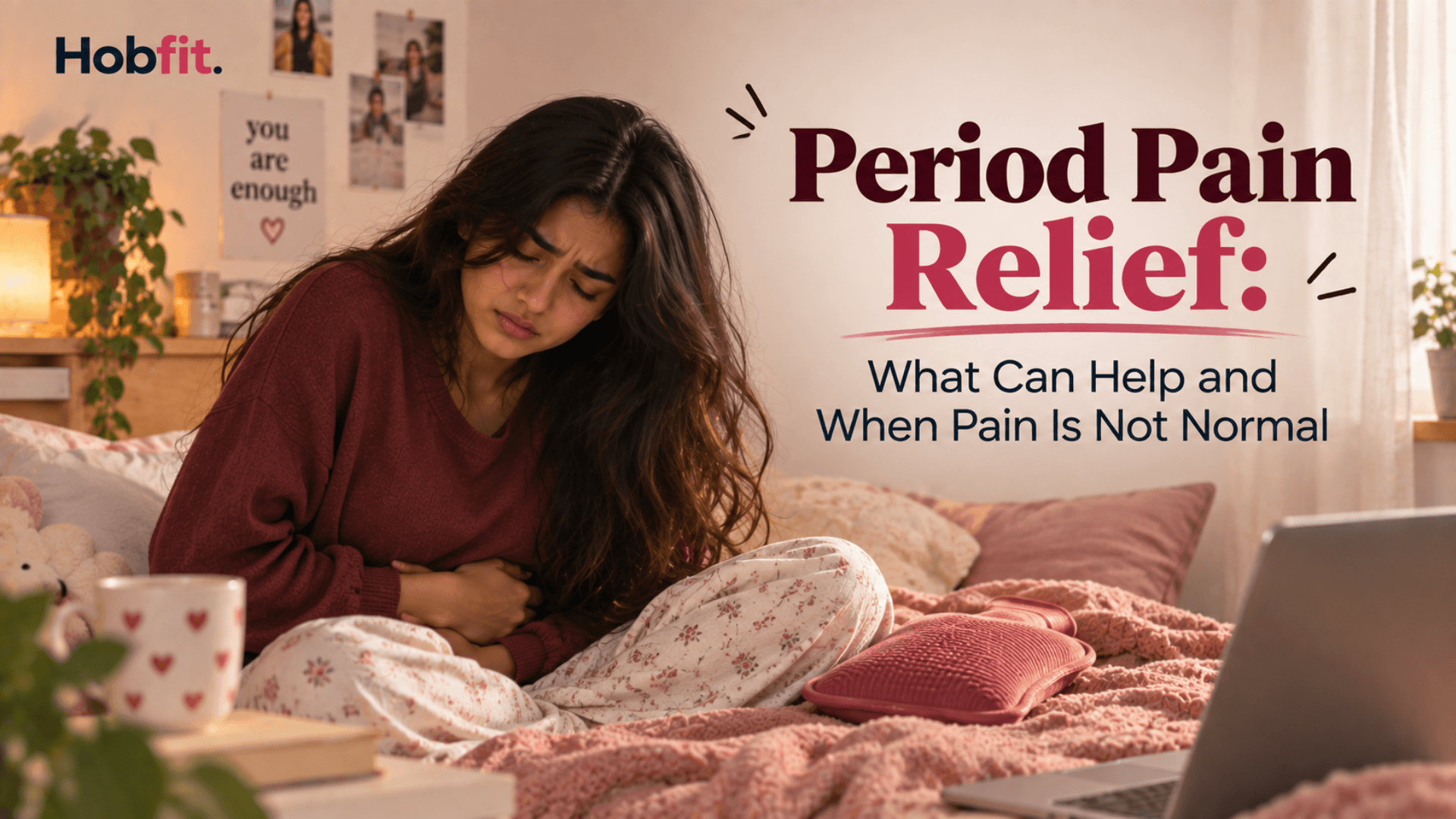
Period Pain Relief: What Can Help and When Pain Is Not Normal
Period cramps are common, but pain that regularly stops school, work, sleep or daily activities should not be dismissed as something every woman must tolerate.
Some cramps are caused by normal uterine contractions during menstruation. Severe or worsening pain can also be linked to conditions such as endometriosis, adenomyosis, fibroids, infection or an ovarian problem. The right relief depends on the cause and your health.
What period cramps can feel like
Pain may begin shortly before or when bleeding starts. It can feel like cramping or aching in the lower abdomen and may spread to the lower back or thighs. Some people also have nausea, loose stools, headache or tiredness.
Track timing, severity, bleeding and whether pain occurs outside the period.
Practical things that may help
Heat
A heating pad or hot-water bottle wrapped safely can relax the area and reduce cramps for some people. Avoid burns and do not sleep on high heat.
Gentle movement
Walking, mobility, yoga or an easy dance session may help some people. Choose what feels comfortable and stop if pain worsens, you feel faint or bleeding is unusually heavy.
Sleep, food and hydration
Regular meals, water and enough sleep will not cure an underlying condition, but they can make a difficult day easier to manage. Avoid turning period pain into a reason for an extreme diet or supplement routine.
Pain medicines
Anti-inflammatory medicines such as ibuprofen are commonly used for menstrual cramps, but they are not safe for everyone. Ask a doctor or pharmacist about the right medicine and dose, especially if you have stomach ulcers, kidney disease, asthma triggered by these medicines, take blood thinners, are pregnant/trying to conceive, or have other conditions.
Do not combine products with the same active ingredient or exceed the label/prescription.
When period pain needs a medical appointment
Book a doctor or gynaecologist if:
- pain stops normal activities;
- pain is getting worse or starts later in life;
- pain occurs between periods or during sex;
- bleeding is very heavy or irregular;
- you have pain when passing urine or stool during periods;
- you have trouble conceiving;
- standard relief does not help;
- symptoms affect your mental health or quality of life.
The World Health Organization notes that endometriosis can cause severe period pain, chronic pelvic pain, pain during sex and fertility problems. Diagnosis can be delayed when pain is normalized.
When to seek urgent help
Get urgent medical care for:
- sudden severe pelvic or abdominal pain;
- fainting, severe weakness or breathlessness;
- possible pregnancy with one-sided pain, shoulder pain or bleeding;
- fever with pelvic pain or unwellness;
- very heavy bleeding, especially if soaking products rapidly for several hours;
- pain after a procedure or with a known medical emergency risk.
What to track before the appointment
Record:
- pain score from 0-10;
- location and whether it spreads;
- when it starts and stops;
- bleeding amount and clots;
- pain between periods, during sex, urination or bowel movements;
- medicines taken and whether they helped;
- missed work/school or sleep;
- cycle dates and pregnancy possibility.
Use HobFit's guide on how to track your period or a private paper record.
What a clinician may check
Assessment may include symptoms, cycle and pregnancy history, medicines, an examination, pregnancy test, blood tests or imaging. Not everyone needs every test.
Treatment can include self-care, appropriate pain medicine, hormonal treatment or treatment of an underlying condition. The best option depends on diagnosis, fertility goals and medical history.
Be careful with "instant period pain cures"
Herbal products, concentrated supplements and unprescribed hormones can interact with medicines or delay diagnosis. "Natural" does not automatically mean safe. Be especially careful if pregnancy is possible.
Frequently asked questions
Is severe period pain normal?
Common does not mean harmless. Pain that repeatedly stops normal activities deserves assessment.
Does exercise help period cramps?
Gentle movement can help some people. It should not be used to push through severe, new or worsening pain.
Can a hot-water bottle help?
Heat may reduce cramps. Protect skin and avoid very high heat or sleeping with it in place.
When should I worry about heavy bleeding?
Seek urgent help if you are soaking through products very quickly for hours, feel faint, weak or breathless, or have severe pain. Discuss recurring heavy periods with a clinician.
Could period pain be endometriosis?
It is one possible cause, especially when pain is severe, persistent or occurs with sex, bowel movements or fertility concerns. Proper assessment is needed.
If you want support organizing symptoms and routines before professional care, book a free first HobFit consultation. This is not a diagnosis service.
Sources
- ACOG - Painful periods:
https://www.acog.org/womens-health/faqs/dysmenorrhea-painful-periods - NHS - Period pain:
https://www.nhs.uk/symptoms/period-pain/ - WHO - Endometriosis:
https://www.who.int/news-room/fact-sheets/detail/endometriosis
